
Available to book
Dallas Campbell helps organisations turn science, technology, and space into stories any audience can follow. A science speaker, awards host, and conference facilitator, he presented BBC One's Bang Goes the Theory and wrote Ad Astra and Space Journal.

Dallas Campbell is a science broadcaster, author, and live host who takes science and technology out of the lab and into people's lives. He's best known as a launch presenter of Bang Goes the Theory on BBC One.
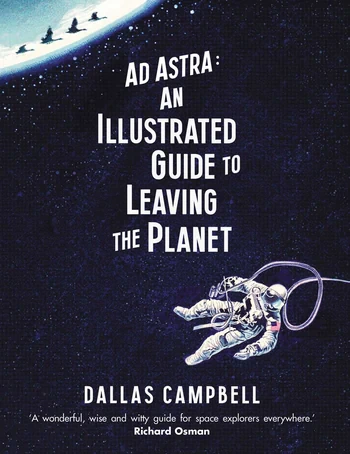
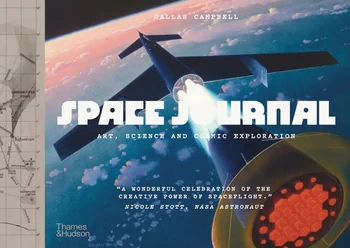
His television credits include Stargazing Live, Supersized Earth, City in the Sky, The Gadget Show, and Science of Stupid for National Geographic. He's an Honorary Fellow of the British Science Association, winner of a Sir Arthur Clarke Award for popularising space science, and the author of Ad Astra: An Illustrated Guide to Leaving the Planet and Space Journal.
Dallas started out in theatre and film, and he treats science as an adventure worth telling well. That makes him a natural fit for organisations with technical stories to share. He's a regular host of Space-Comm in Farnborough, has interviewed Tim Peake on stage at the Barbican, and has hosted the IChemE Global Awards and the TCT Awards.
Audiences leave with a clearer view of how the technology around them came to exist, from the history of human spaceflight to the invention stories he explored as host of the Patented podcast. For space-themed events, he can bring a replica spacesuit, and he also gives careers talks that encourage young people into science.
Dallas works as a keynote speaker, awards host, and conference facilitator. He's a reliable choice for science, engineering, and technology audiences who want substance delivered with pace and wit.
A launch presenter of BBC One's Bang Goes the Theory and an Honorary Fellow of the British Science Association, Dallas Campbell also hosts industry events including Space-Comm and the IChemE Global Awards. That mix of broadcast experience and sector knowledge suits science, engineering, and technology audiences who expect accuracy.
Testimonials
Featured Projects

often considered together

Maggie Aderin
Adversity
Neurodiversity
Diversity and Inclusion

Kevin Fong
Dealing With Pressure
Adversity
Resilience

Mark Miodownik
Science
Innovation
Sustainability

frequently asked questions
Something we've not covered here?
Dallas Campbell treats science as an adventure story, drawing on programmes such as Bang Goes the Theory and Supersized Earth and, at space-themed events, bringing a replica spacesuit on stage.
Dallas Campbell speaks on science, technology, engineering, and space exploration, including the history of human spaceflight and the stories behind major inventions. An Honorary Fellow of the British Science Association, he was a launch presenter of BBC One's Bang Goes the Theory and wrote Ad Astra: An Illustrated Guide to Leaving the Planet and Space Journal.
No. PepTalk adds no booking fee, so you pay the speaker's fee and nothing beyond it. The service, from shortlist through to contracts and event-day logistics, is included. For repeat or multi-event bookings, PepTalk can agree preferential rates with your procurement team.
Share your event date, audience, format, objectives and budget, and PepTalk sends a hand-picked shortlist within 24 hours. Each suggestion comes with a profile, a fee and a recommendation on the strongest fit. Once you choose, PepTalk handles contracts, travel and logistics through to event day.
The typical fee range is the speaker's standard in-person fee in their home market, shown in their local currency. It moves with format, location, date and session length: virtual sessions and shorter slots usually cost less, while international travel and peak dates cost more. Send your brief to PepTalk and the team will confirm the exact fee in your currency.
Not all of them, and it makes no difference to your booking. PepTalk's network of 15,000+ speakers covers talent the team works with directly alongside speakers represented by agents and agencies worldwide. PepTalk approaches the speaker, negotiates the fee and handles contracting either way.
Three to six months ahead is comfortable for most events, and 12 months is better for large conferences, peak-season dates or one specific in-demand speaker. Shorter timelines are workable, and PepTalk regularly fills last-minute and replacement bookings within days. Availability is the constraint, so get in touch as soon as you have a date.

