
Available to book
Simon Anholt
Simon Anholt helps governments and organisations understand how the world sees countries and why it matters. A nation branding pioneer and authority on soft power, he has advised 60+ governments and heads of state, and his TED talk has over 12M views.

Simon Anholt is the policy advisor who created the field of nation branding. He is widely regarded as the world's leading authority on the images and identities of countries, cities, and regions, and he shows how reputation shapes economic outcomes.
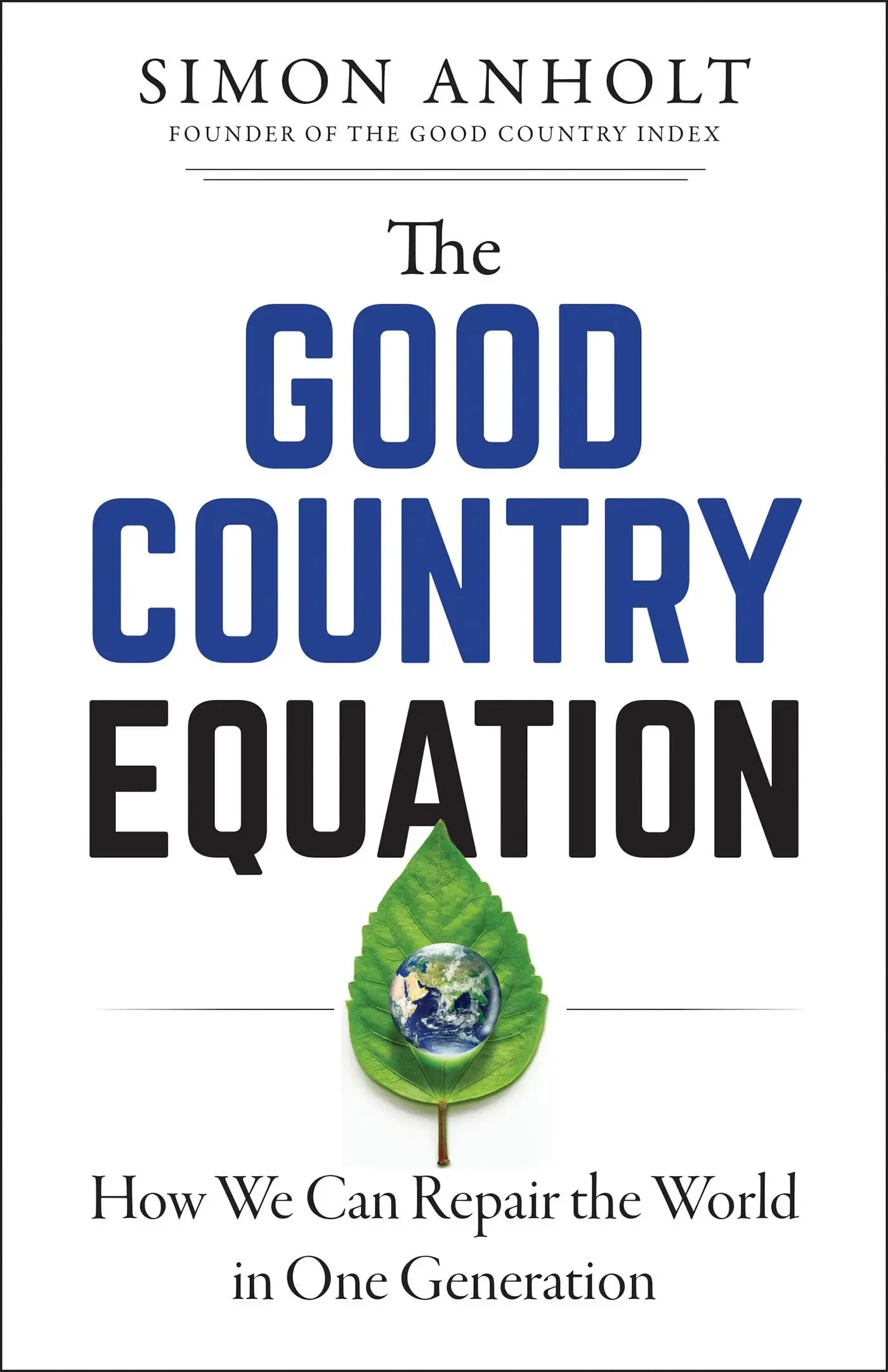
He coined the term nation brand in a 1998 paper and founded the Anholt Nation Brands Index, which has gathered over a billion datapoints since 2005. He is Executive Chairman of Anholt and Co., founder of the Good Country Index, and spent nine years as Vice-Chair of the UK Foreign Office Public Diplomacy Board. He has written six books on national identity, image, and international relations, and his Berlin TED talk is the most viewed on governance globally, with over 12 million views.
Simon has advised the governments of more than 60 countries, cities, and regions, up to Head of State level, on engaging the international community more productively, ethically, and strategically. His research shows that countries seen to do good for the world earn stronger reputations, and that stronger reputations drive economic growth. Using the data gathered, Simon gives audiences in government and business a data-led view of what lies ahead, and what a country or organisation can do about it.
Audiences gain a clear view of how their country is seen worldwide and why that perception shapes trade, investment, and security. They hear why soft power matters for defence, how competition and collaboration can work together to support growth, and how big data helps leaders plan through uncertainty.
Book Simon Anholt for a clear, evidence-led view of how reputation shapes growth, security, and influence.
Topics, sessions and talks
Soft power is often written off in an age of hard-edged geopolitics. Simon Anholt makes the opposite case, drawing on two decades of research into how the world sees nations to show why reputation, influence, and goodwill now matter most to defence and security. He explains how perception turns into practical advantage for governments and their allies. Audiences leave with a clearer view of where soft power belongs in national strategy.
Twenty-one years of global perception data from the Anholt Nation Brands Index show how people around the world see countries. Simon Anholt applies the findings to the host country or any other the audience chooses, tracing how its image formed, where it stands today, and what the trend lines suggest for the future. Audiences gain an evidence-based picture of national reputation and what it means for policy, strategy, and planning.
Governments are often told that image is superficial and substance is what counts. Simon Anholt argues that smart governments care more about how they are seen than ever before, and that this is not shallow. Drawing on his research into national reputation, he shows how perception shapes the choices of other countries, investors, and citizens. Audiences take away a case for treating reputation as a core strategic asset rather than a communications exercise.
Competition between nations is often assumed to rule out collaboration. Simon Anholt shows how the two work together to supercharge economic growth and strengthen national security, building on his research into countries that do good and the reputations they earn. The session sets out what good governance looks like when a country acts as a contributor to the world. Audiences gain a practical way to balance national interest with international cooperation.
Conventional forecasting struggles in an age of chaos. Simon Anholt explains how new types of big data, including the billion datapoints in his own research program, are being used to map the future and predict the economic performance of countries. He shows how that evidence can inform decisions on risk and opportunity for governments and organisations. Audiences leave better equipped to plan with evidence when old assumptions no longer hold.
Testimonials
Featured Projects



often considered together

Anna Kuulmann
Marketing
Corporate Governance
Business Growth

Elizabeth Linder
Communication
Digital Transformation
Decision Making
Mark Malloch-Brown
Geopolitics
Government
Global Economy

frequently asked questions
Something we've not covered here?
Simon Anholt speaks without notes or slides and usually builds in unpublished Nation Brands Index data on the host country's global image, delivered in an informal, personal style with humour.
Simon Anholt specialises in soft power and security, how the world perceives individual countries, perception versus reality in government, good governance, and using big data to navigate uncertainty. He created the concept of nation branding, has advised more than 60 heads of state and heads of government, and his Berlin TED talk has 12 million views.
No. PepTalk adds no booking fee, so you pay the speaker's fee and nothing beyond it. The service, from shortlist through to contracts and event-day logistics, is included. For repeat or multi-event bookings, PepTalk can agree preferential rates with your procurement team.
Share your event date, audience, format, objectives and budget, and PepTalk sends a hand-picked shortlist within 24 hours. Each suggestion comes with a profile, a fee and a recommendation on the strongest fit. Once you choose, PepTalk handles contracts, travel and logistics through to event day.
The typical fee range is the speaker's standard in-person fee in their home market, shown in their local currency. It moves with format, location, date and session length: virtual sessions and shorter slots usually cost less, while international travel and peak dates cost more. Send your brief to PepTalk and the team will confirm the exact fee in your currency.
Not all of them, and it makes no difference to your booking. PepTalk's network of 15,000+ speakers covers talent the team works with directly alongside speakers represented by agents and agencies worldwide. PepTalk approaches the speaker, negotiates the fee and handles contracting either way.
Three to six months ahead is comfortable for most events, and 12 months is better for large conferences, peak-season dates or one specific in-demand speaker. Shorter timelines are workable, and PepTalk regularly fills last-minute and replacement bookings within days. Availability is the constraint, so get in touch as soon as you have a date.

