
Available to book
Erica Dhawan
Erica Dhawan helps organizations break down silos, build trust across distance, and drive innovation through modern teamwork and digital collaboration. A WSJ bestselling author and top-ranking keynote speaker, she has been called the Oprah of Management Thinkers by Thinkers50.

Erica Dhawan is an internationally recognized authority on 21st century teamwork, collaboration, and innovation, helping leaders break down silos, drive growth, and build high-performing teams across a rapidly changing digital workplace.
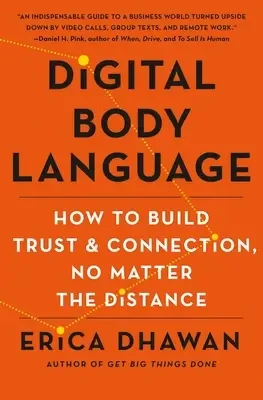
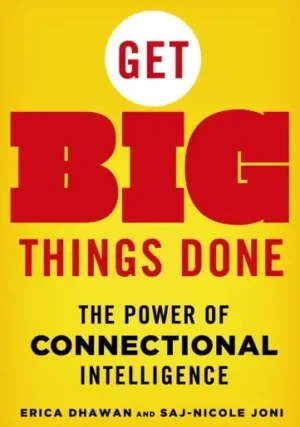
She is the WSJ bestselling author of three books, Use Your Brain, Digital Body Language, and Get Big Things Done: The Power of Connectional Intelligence, and Thinkers50 named her the Oprah of Management Thinkers. Erica holds degrees from Harvard, MIT, and Wharton.
As digital tools reshape how teams work, Erica has built practical frameworks for unlocking collective performance, building trust across distance, and sustaining authentic engagement in the age of AI. Her research and storytelling translate shifting workplace behavior into strategies leaders can put into practice the next morning, helping organizations stay competitive and original as collaboration itself becomes a defining advantage.
Audiences leave Erica's sessions with interactive, research-backed strategies for stronger cross-team collaboration, clearer digital communication, and more resilient, innovative teams, paired with humor and storytelling that make dense research immediately usable back at work.
Ranked the top women's keynote speaker and featured in Harvard Business Review, the New York Times, and the Wall Street Journal, Erica gives audiences a fresh, practical lens on modern, innovation-driving teamwork.
Topics, sessions and talks
Two teams can spend six months solving the same problem without knowing the other exists, and Erica Dhawan explains why that is a relationships problem rather than a tools one. Drawing on her concept of Connectional Intelligence, Erica shows leaders and teams how to turn people into superconnectors who surface tacit knowledge no system captured, build trust quickly across functions, regions, and levels, and unlock the collective expertise already sitting inside their own organization.
Most teams now draft with AI and simply approve what comes back, and Erica Dhawan calls that cognitive surrender rather than productivity. She argues Critical Thinking Intelligence is becoming this decade's defining skill, the way Emotional Intelligence defined the nineties. Through case studies and practical rituals such as the Think Sandwich, the Friction Meeting, and a Decision Filter for what to automate or protect, Erica sends teams home with ways to keep original judgment at the center of AI-assisted work.
Every message now reads as polished, warm, and well-structured, and Erica Dhawan points out that polish no longer proves anyone read it, cared about it, or even wrote it themselves. She decodes what still signals care and credibility once effort stops being visible in the writing, from response time to specificity to showing reasoning. Erica leaves audiences with shared rules for what gets automated, what gets drafted, and what has to come from a person.
Testimonials
Featured Projects


often considered together

David Burkus
Team Building
Leadership Development
Company Culture

Scott Monty
Effective Leadership
Leadership Development
Workplace Culture

Erica Farmer
Artificial Intelligence
Future of Work
Leadership Development

frequently asked questions
Something we've not covered here?
Erica Dhawan builds sessions around named frameworks drawn from her research — such as Connectional Intelligence and Critical Thinking Intelligence — and translates these into labelled practical tools, for example the Think Sandwich, the Friction Meeting, and a Decision Filter, which audiences can apply immediately after the session.
Erica Dhawan's sessions address Connectional Intelligence and breaking down organisational silos, Critical Thinking in AI-assisted work, and digital communication and collaboration. She is a WSJ bestselling author of three books, including Get Big Things Done and Digital Body Language, and was named the Oprah of Management Thinkers by Thinkers50.
No, PepTalk doesn't charge a booking fee. You pay the speaker's fee plus any travel and expenses, which PepTalk confirms upfront in your quote. The shortlist, contracting and event-day logistics are included. For repeat or multi-event bookings, PepTalk can agree preferential rates with your procurement team.
PepTalk sends a shortlist of matched speakers within 24 hours, each with a profile, a fee and a recommendation on the strongest fit. The more you share about your date, audience, format, objectives and budget, the closer the match. Once you choose, PepTalk handles the contract, travel and logistics through to event day.
The typical fee range on a PepTalk speaker profile is a guide to what that speaker usually costs for an in-person event in their home market, shown in their local currency. The final fee depends on format, location, date and session length. Virtual and shorter sessions usually cost less, and international travel and peak dates cost more. PepTalk confirms the exact fee in your currency once it has your brief.
No. PepTalk represents 15,000+ speakers, hosts, comedians and entertainers, some booked directly and others through their agents and agencies worldwide. The process is the same for all of them: PepTalk checks availability, negotiates the fee and manages the contract and logistics.
Book a speaker three to six months before your event. Allow 12 months for large conferences, peak-season dates or a specific in-demand name. PepTalk also fills last-minute and replacement bookings, often within days, so get in touch as soon as you have a date, even at short notice.

