Mastering Mindset How We View, Think and Act Daily
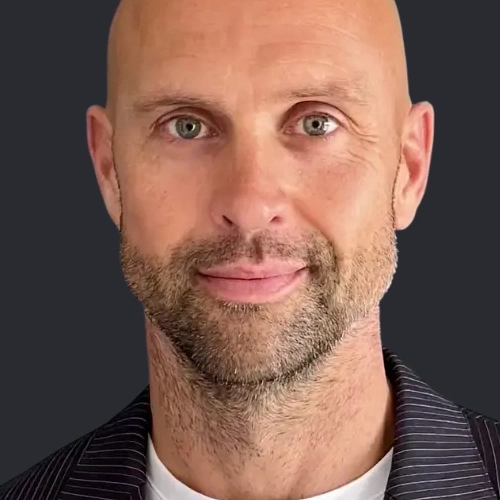
Luke Tyburski shows how we view, think, and act shape focus, decisions and performance with practical tools for leaders and teams.

H2 link
Tell us about your event and we'll match you with the right person for your audience.
Trusted by 3k+ event planners
Recommended experts


In today’s demanding workplace environment, we are asking more of our leaders and teams than ever before. Yet performance is not just about capacity. It is about clarity. It is about enabling people to make better decisions, stay focused amid chaos, and respond thoughtfully rather than react defensively.
More Than a Motivational Concept
At its core, this framework reveals a simple but transformative truth. How we view a situation shapes what we think about it, and what we think determines how we act. Everything flows from there.
The Three Pillars: View, Think, Act
Pillar One: View
Your perspective. When your team encounters a challenge, setback, or change initiative, how they perceive it matters enormously. Do they see it as a threat or an opportunity? A burden or a chance to develop?
The initial perspective shapes what options they believe are available. This is why reframing is so powerful. It is not positive thinking. It is practical perception management.
Pillar Two: Think
This is where your internal dialogue lives. Once we have viewed something, our minds rapidly assess it, often filtered through cognitive biases we are not even aware of. These unconscious patterns determine which solutions we consider and which we dismiss.
Most professionals operate on autopilot here, unaware of the biases driving their conclusions. When teams develop awareness of their thinking patterns, they gain access to genuine choice. Better decisions follow with clarity of origin.
Pillar Three: Act
This is the visible expression of the process. How we act, whether through deliberate action, intentional inaction, or strategic pause, flows directly from how we viewed the situation and what we thought about it.
When employees are conscious of their perspective and their thinking, their actions become aligned with organisational objectives rather than driven by habit or anxiety.
Mastering Mindset is not philosophical. It is practical.
The genius of this framework is that it reveals we have choice at every stage. We cannot always control external circumstances, but we can influence how we view them. We can examine our thoughts rather than being unconsciously ruled by them. And we can decide how to act based on conscious alignment with our objectives.
The Foundation: Self-Awareness
Underpinning the entire View, Think, Act framework is self-awareness. The ability to observe ourselves with clarity and honesty.
Without it, people repeat patterns without understanding why. With it, they become intentional.
Research shows that when people practice mindfulness, their brains reorganise to become better at catching themselves in unproductive thought patterns. They notice when they are distracted, defensive, or stuck in old thinking. That moment of noticing is where change becomes possible.
For organisations, this means people can recognise when they are overreacting, making assumptions, or losing sight of the bigger picture. Self-aware teams make smarter decisions day to day, especially under pressure.
Attention: The Currency of Performance
In an environment where interruptions are constant and focus is fragmented, the ability to direct attention and sustain it is a competitive advantage.
Neuroscience shows that focus is not passive. It is an active process that requires preparation. Specific brain networks prepare to filter out distractions before they even appear. This means people can train this capacity.
Through practices like meditation, focused work blocks, and intentional presence, teams can strengthen their ability to concentrate.
The numbers matter. Research shows it takes an average of 23 minutes to fully return to a task after interruption. That is not a minor cost. It is a fundamental performance drag.
Teams that understand this and protect their focus deliver significantly more substantive work. For leaders, this translates to measurable productivity gains and reduced burnout. When people can focus deeply, they accomplish more in less time with less cognitive strain.
Cognitive Bias: The Hidden Decision Maker
Every day, leadership teams make decisions filtered through cognitive biases they are often unaware of. Confirmation bias leads people to seek information that supports their initial view. Loss aversion makes them overly cautious. Groupthink suppresses honest conversation.
Research across finance, medicine, law, and management shows that training leaders to recognise these biases significantly improves decision quality. When leaders understand bias awareness, they ask better questions, seek contrary perspectives, and make more thoughtful choices.
This is especially critical during organisational change, when unconscious bias can derail initiatives that would genuinely benefit the business.
Presence and Performance: Why It Matters Now
Your people face unprecedented cognitive demands. Digital distractions. Hybrid work complexity. Information overload. Rapid change. It is relentless.
Research shows that mindfulness-based practices measurably improve executive functioning. That includes sustained focus, working memory, and adaptive thinking.
More importantly, when people develop the ability to be genuinely present, they make better choices about where to invest their limited attention. They notice what truly matters rather than what simply feels urgent. They catch unproductive patterns before performance suffers.
This is not about meditation retreats or wellness trends. It is about teaching a practical skill. The ability to return to the present moment, refocus on what matters, and act with intention rather than stress.
The Practice of Mastering Mindset
Mastering Mindset is not abstract philosophy. It is a practical capacity built through deliberate practice.
Daily Application
First: Cultivate viewing flexibility
When your team faces a challenge, teach them to pause and ask: Is this the only way to see this? What else might be true? What opportunity might be hidden here? This rewires habitual thinking.
Second: Develop metacognitive awareness
Become a curious observer of your own thinking. Help employees notice their assumptions, reactions, and patterns. This awareness creates the space between stimulus and response where genuine choice lives.
Third: Practice intentional presence
Model and encourage regular pauses throughout the day to return to focus. This is not downtime. It is a high performance practice that strengthens attention and reduces cognitive fatigue.
Finally: Align action with awareness
Once people are conscious of how they are viewing and thinking about something, they can deliberately choose how to respond. This alignment is where real performance emerges.
Why This Matters for Your Organisation
We live in an era of exceptional complexity. Technological change is relentless. Organisational environments are uncertain. The cognitive demands on leaders and teams have never been higher. In this context, the ability to maintain clarity of perspective, regulate thinking, and act with deliberate intention is essential.
The research is clear. Self-awareness, attentional control, and metacognitive capacity are learnable skills. They are not fixed traits. They are neural capacities that strengthen with practice.
The payoff is tangible. Better decisions. Improved resilience. Enhanced performance. Stronger alignment between values and actions.
Mastering Mindset provides a framework for developing how your people think and respond. It addresses the core challenges leaders face. How teams navigate complexity. How they stay resilient during disruption. How cultures shift from reactive to intentional decision making.
The answer lies in mastering the three dimensions of performance. How people view situations. What they think about them. How they choose to act.
We cannot control everything that happens to us. But we can influence how we view it, think about it, and respond to it. That makes all the difference.
In the end, Mastering Mindset is about claiming potential.

💡 Would you like to bring Luke Tyburski into your organisation to help your teams build focus, resilience, and high performance under pressure? Let us know and we will match you with the right PepTalk expert. Email hello@getapeptalk.com, start a chat on the site, or call +44 20 3835 2929 (UK) or +1 737 888 5112 (US). Remember, it is always a good time to get a PepTalk.
Luke Tyburski
More about Luke Tyburski
Tell us about your event and we'll match you with the right person for your audience.
Trusted by 5k+ event planners
Similar Articles







Tell us about your event. We'll find the right voice.
Get expert recommendations matched to your brief, your audience, and your budget.